
Blog
Leading the charge: Earth Day-ready hotels that utilise renewable energy

Earthday.org notes that the theme for this year’s Earth Day is ‘our power, our planet’, with an aim to empower the acceleration of renewable energy. But some hotels have already taken initiative, installing solar panels, redirecting natural energy from the land and sea, and using gentler technologies to operate in planet-preserving fashion.
This Earth Day, we want to generate a little buzz for these greenly switched-on stays, so read on to discover their lightning-strike innovations and sustainable power sources.
California

If you had to pick one landscape that would inspire you to save the world, the immeasurably beautiful Big Sur is a good choice, with its Pacific-battered bluffs, venerable redwoods and changing coat of wildflowers. Built atop a gloriously dramatic cliff, Post Ranch Inn plays an exemplary part in conserving the area. In 2009, what was then the largest solar installation in California at that time was installed here. Today, the system includes 945 updated panels, generating approximately 391,700 kWh annually and reducing carbon emissions by about 70 metric tons each year.
This system provides 33 per cent of the Ranch’s power needs, but the remaining 67 per cent is a 50/50 mix of wind and solar power purchased from the Central Coast Community Energy. So, when you’re padding about on blissfully heated floors; streaming your date-night playlist on the Sonos sound-system or sinking into your jetted spa tub, you won’t need to worry that your chill-out time will impact Big Sur’s environment.
Also on the grid: Adding sod roofs to store heat or pioneering the first commercial greywater system in the county aren’t the sexiest subjects, but they’re just some of the ways in which the inn stays responsibly honeymoon-worthy. The dining cycle sees food waste composted and used in the chef’s garden (where spa botanics are harvested, too); and oils are turned into clean fuel. If you spy a red-legged frog or California condor while roaming the hotel’s protected 90 acres, you can thank the efforts of staff who’ve worked with a local biologist to keep habitats healthy.
French Polynesia
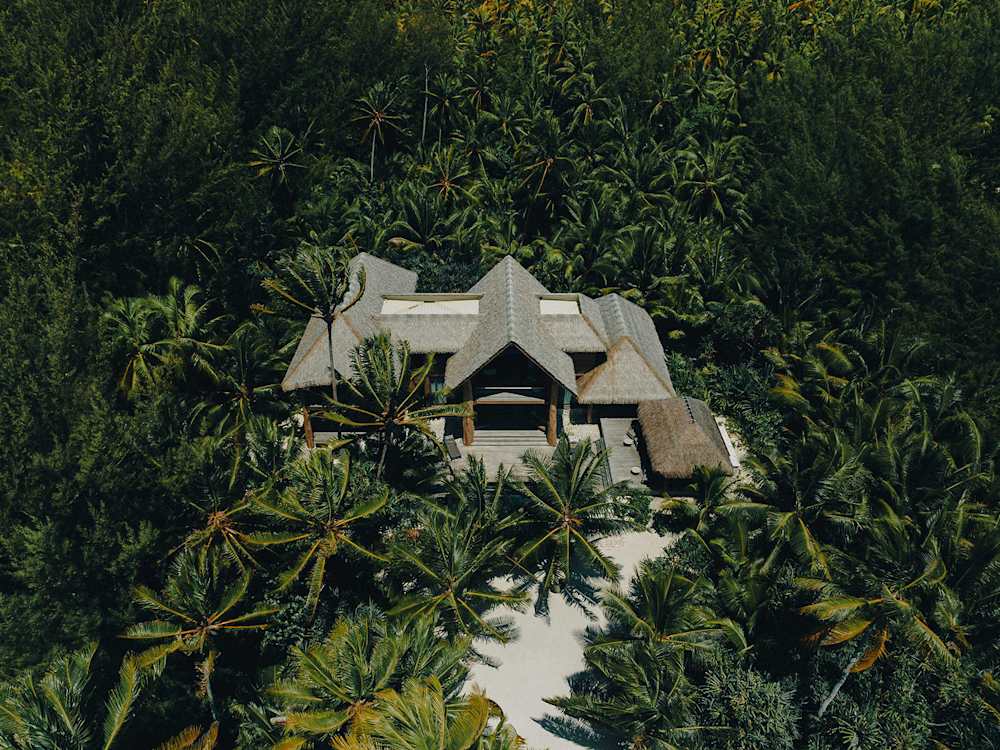
Once actor Marlon Brando’s private paradise, now an ultra-luxurious, Earth-kind resort on teeny French Polynesian island Tetiaroa, The Brando became the actor’s testing ground for his forward-thinking vision of a self-sufficient hideaway. Some implementations that sprang from this, such as the innovative Sea-Water Air-Conditioning (SWAC) system, help it to run efficiently. Cooled water from the deep ocean is pumped to the surface, where it’s used as an effective alternative to traditional air-conditioning and refrigeration.
Meanwhile 50 per cent of the resort’s power is provided by photovoltaic panels and solar-charged batteries. These measures combined have reduced the impact of emissions linked to Tetiaroa’s fixed energy production by 61 per cent (as of November 2024). It was also rumoured that Brando considered using electric eels to power the estate, but, like a good portion of the island’s emissions, that story’s since been quashed, and this idyll has become an impressive model of Earth-kindness.
Also on the grid: Building on the actor’s altruistic legacy, the Brando Estate helped launch the Tetiaroa Society, dedicated to conservation and scientific research on the atoll, ridding it of invasive species, reintroducing sea turtles and birds, restoring coral reefs, controlling the mosquito population and more. They collaborate with the region’s other heroes: Te Mana o te Moana for turtle conservation; Blue Climate Initiative for ocean protection, and the Saga initiative, which helps underprivileged youth.
Spain
San Sebastián isn’t just an innovation-driver when it comes to food: Arima Hotel & Spa, amid the greenery of the Miramón Forest to the south of the city, has made great strides in sustainability, too. It’s Passivhaus certification means it operates efficiently, with 77 per cent of its energy extracted from the air and ground, including 28 geothermal wells in the grounds. All the hotel’s electricity comes from renewable sources (certified by a Guarantee of Origin from the hotel’s provider), and it consumes 70 per cent less energy than an average hotel, reducing carbon emissions by roughly the equivalent captured by 15,000 trees each year.
But it’s not a numbers game — this is a hotel with plenty of Spanish soul. The spa combines botanical cosseting with viridescent views; its rooftop pool is a place of lively human connection, and dining (farm-to-table and seasonal, of course) is on a level with the city’s highly elevated standards. Here, recharging comes naturally.
Also on the grid: The hotel stays low-impact through small yet conscientious adjustments: going paper-free, adding a dedicated recycling drawer to each guest room, using ethical bath and cleaning products, installing motion-sensor lighting and collecting rainwater to use in the gardens and cisterns. There are e-vehicle charging points, but its bike station — where you can store, clean and fine-tune your cycle — may well encourage you to explore on two wheels.
Namibia
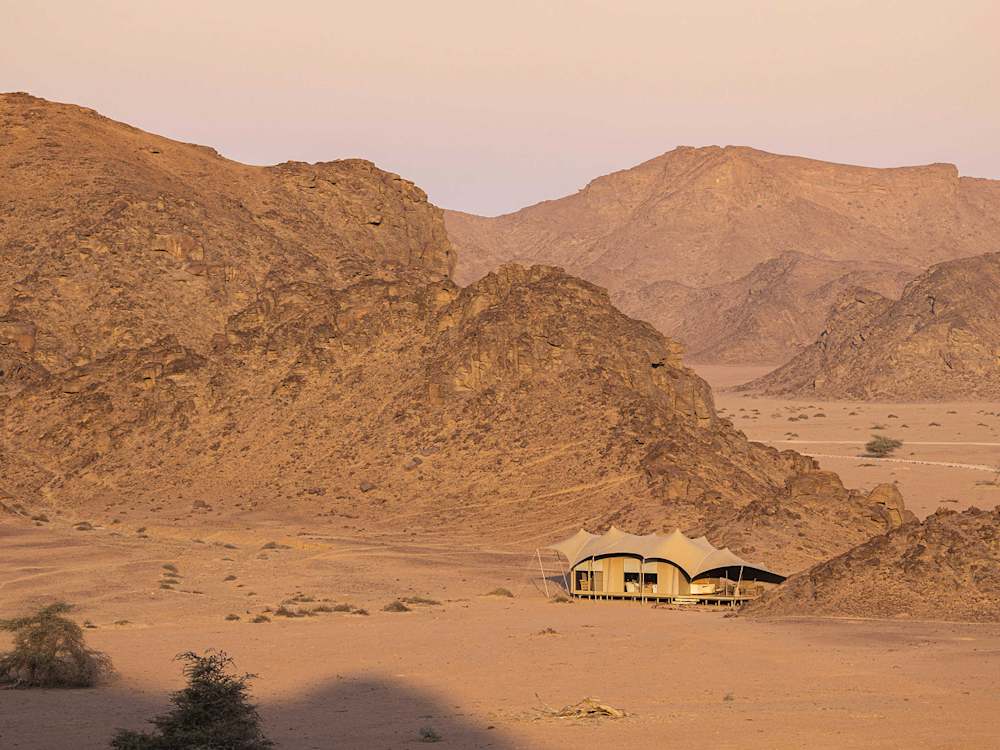
Namibia happens to be one of the sunniest countries in the world, with an average of 300 days of desert heat a year. So, it makes perfect sense that luxury safari property Wilderness Hoanib Skeleton Coast camp is entirely solar-powered (even if there are just eight remotely placed tents to juice up) — a move that significantly reduces its carbon emissions.
If the heat’s a little too turned up, morning fog rolls in, and the rammed-earth walls and canvas roofs of your lodgings help to cool things off. Soak up the rays by day as you bomb about the storied surrounds, then after sundown, bonfires, candles and a sky sequinned with stars add romance to the ambience. Days here are easygoing, but Wilderness has strict criteria for its camps, auditing their sustainability twice a year to ensure they achieve at least 75 per cent compliance with their own Group Environmental Minimum Standards, so you and the Earth remain in good hands here.
Also on the grid: The camp is a joint venture with three local conservancies, with an in-camp research centre built to help protect the desert’s mind-boggling biodiversity: lions, giraffes, elephants, hyenas, oryxes, springboks and more run wild here, some of which are the subject of dedicated conservation studies. Surrounding communities benefit from revenue-sharing agreements and employment at the camp — local guides work with researchers to ensure guests get a suitably ethical safari experience and will regale you with fireside tales of their heritage and culture, and the myths that surround the fog-swathed whale bones of the Skeleton Coast.
Iceland
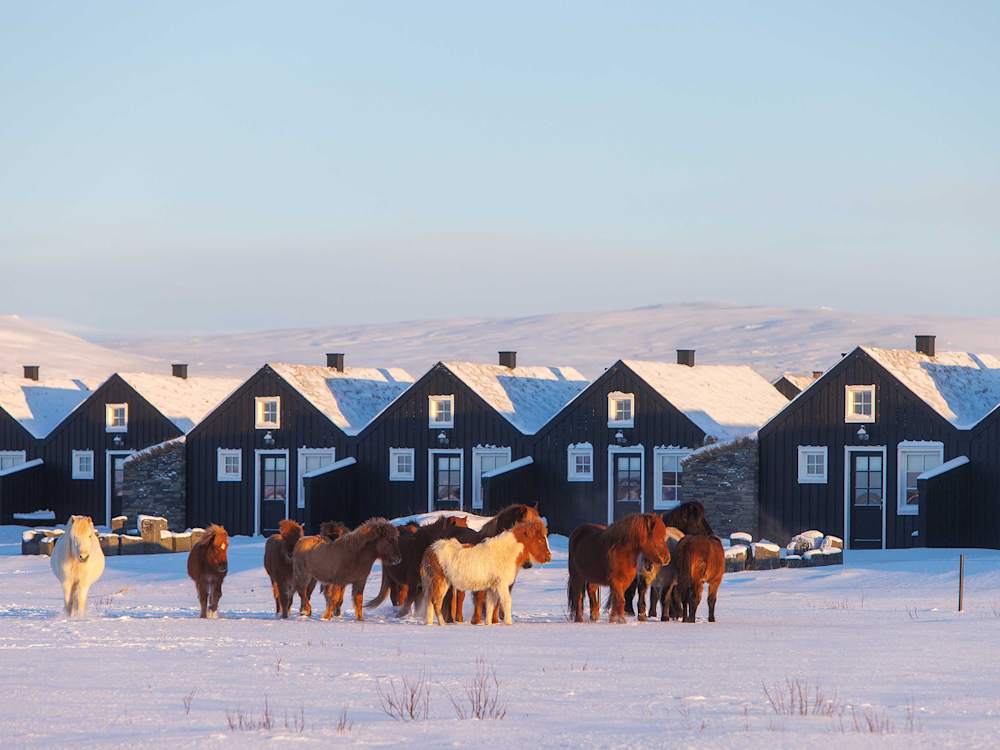
Iceland’s landscape can be temperamental, but that steam it’s blowing off is mightily useful when it comes to heating a hotel. Torfhús Retreat uses geothermal waters from a nearby borehole to not only keep you toasty (it’s 100 degrees when it hits the lodge’s pipes), but also to warm the mineral-rich waters of the rooms’ basalt-stone soaking pools.
A small, local hydroelectric plant provides all the hotel’s renewable power; and through a collaboration with energy provider HS Orka, greenhouse emissions have been offset by planting 25,000 birch trees and restoring swathes of wetland areas.
You’re in pole position to witness more of nature’s force, with the Gullfoss waterfall and Strokkur Geysir nearby, plus hikes through smoky lava fields and to volcanic craters; expeditions into glacial caves; wild rides on Icelandic horses; and yet more thermal-spring wallowing.
Also on the grid: The Viking spirit lives on at Torfhús — less pillaging and rampaging, more building a traditional stone ‘langhus’ adding turf roofs to keep heat in, making furnishings from reclaimed oak and pine on-site, and hanging leathered salmon skins on walls, for some natural embellishment. Activities tread lightly on the spectacular scenery that surrounds you, and dining is inspired by Icelandic tradition, using ingredients largely sourced within a 10-mile radius.
Mexico
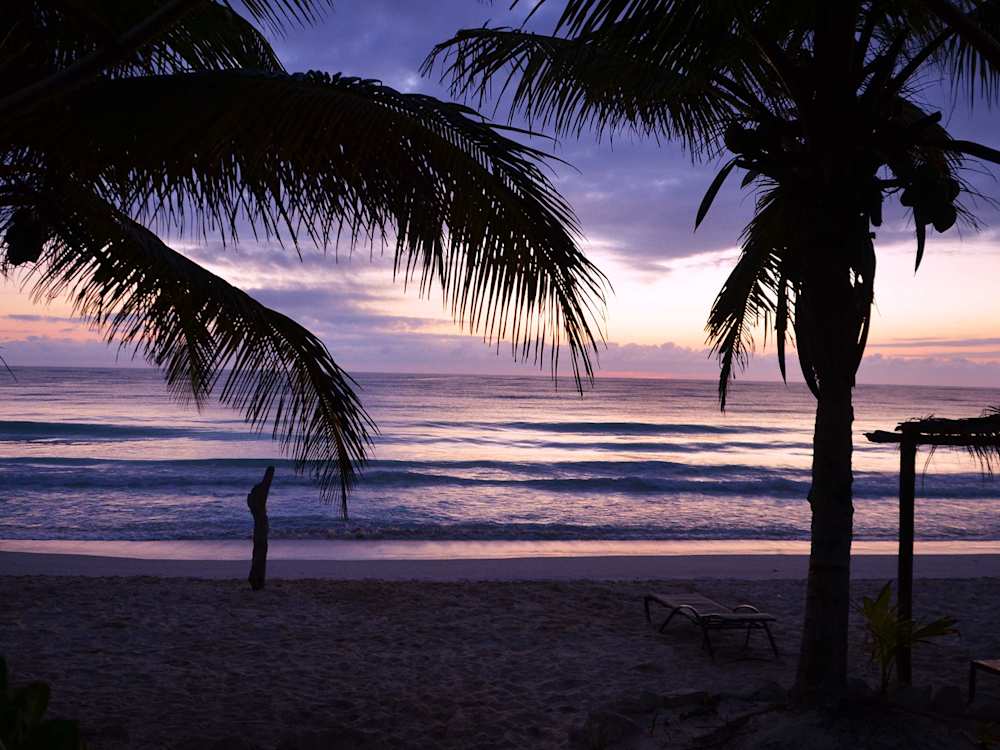
There’s no need to digitally detox at green-as-the- Sian-Ka’an-biosphere-it-overlooks hideaway Olas Tulum — after all, there’s enough sunshine here for it to rely on 100 per cent solar power, and a generator for rare overcast days — but you’ll likely be compelled to put the phone down anyway. The world around you is carpeted in palms all the way to the Caribbean coast, a view well worth preserving, that’ll captivate you from alfresco meditations in the morning to margaritas at sundown.
Olas holds LEED Platinum certification — an esteemed marker for sustainable design and energy-use — and it’s been an ethical pioneer since it was built in the 1970s. Austrian engineer Carlos Schober laid out the resort in harmony with the surroundings to harness natural heating and cooling, using Passive architectural techniques, such as palapa roofs and curved walls to direct air-flow. And today, sustainability is the guiding principle for the hotel, informing dining, activities, service and more.
Also on the grid: Olas collects rainwater to use for gardening and cleaning, and for sinks and showers they tap into a pure, underground, cenote-fed stream. From local fishermen to the Mennonite community, the hotel sources its food and coffee from regional suppliers; and they have a complex composting system in place. Food waste feeds the grounds, and other waste is fed into an aerobic bacteria-generator and filtered through charcoal to become greywater, which is then cleansed through a Mayan-style ‘humidal’, so it can be used in the grounds.
Italy
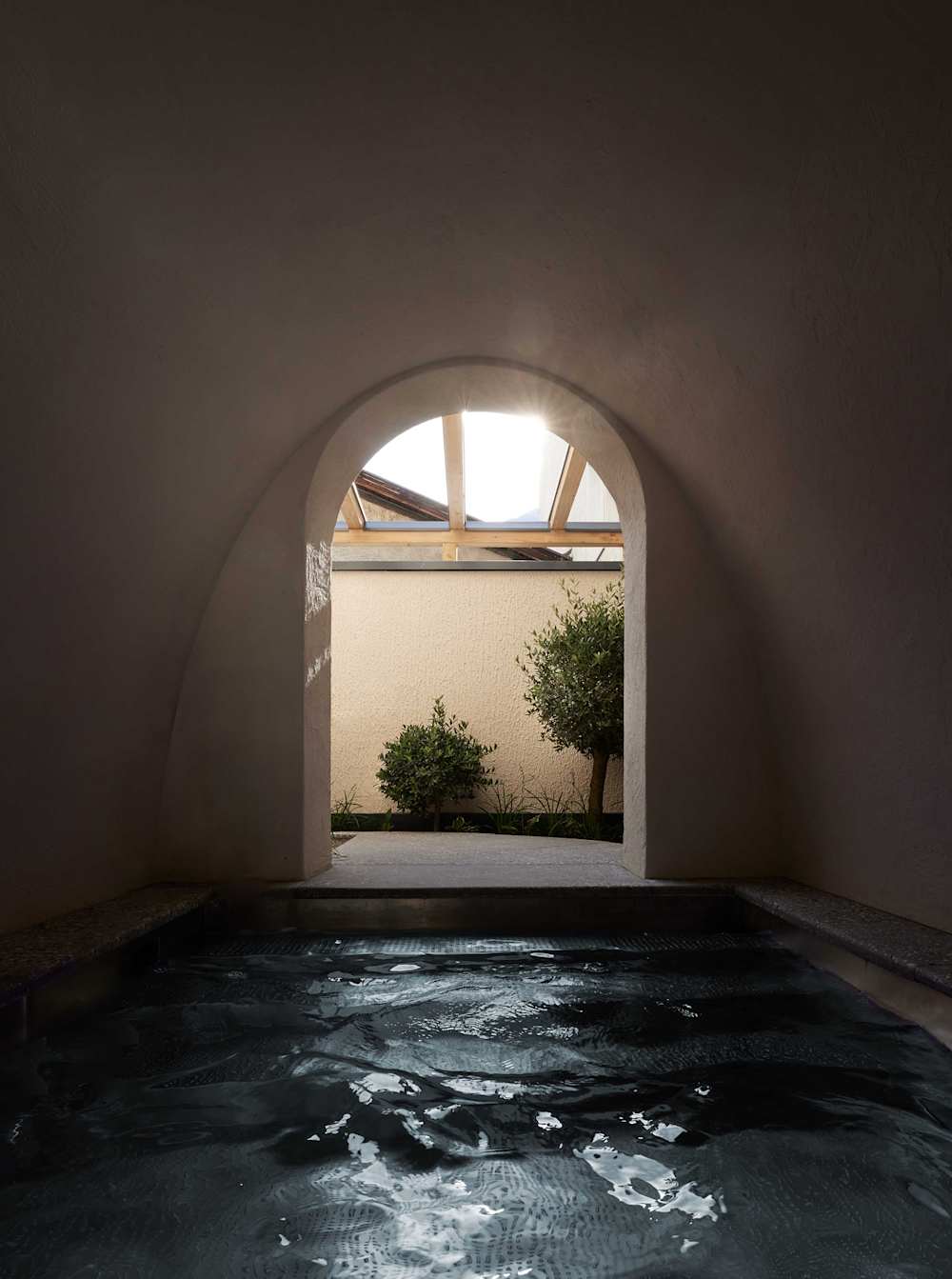
You only need look at Fink’s menu to know that it’s a bit of a maverick: dishes such as blood noodles with grey cheese and anise; or strawberry salad in a dandelion-mustard dressing, are a lingua franca between monastic South Tyrolean tradition and environmentally conscious experimentation — hell, the menu itself is made of apple leather.
Sustainability is a philosophy built into the hotel (notably in reclaimed wood, natural, wood-fibre insulation and paint made from lime and quartz); and to breathe life into it, the hotel uses 100 per cent green electricity — from certified renewable energy providers, primarily regional hydropower — and energy-efficient district heating.
To keep things as ecologically sound as can be, the hotel works with Earthcheck (a sustainability benchmarking, certification and advisory group) to keep them compliant with sustainability guidelines; and they’ve implemented their own environmental management system to keep them on track.
Also on the grid: Fink is a family affair for owners Petra and Florian, whose great-grandfather owned it back in 1896. They’ve meticulously restored and preserved the building, whose bones date back to the 11th century and built most of the furniture entirely of wood, so it’s recyclable. Ingredients are sourced in a historic manner too: from monastic gardens in Brixen or farms just outside, and dishes put plants front and centre and use parts of vegetables that would normally be thrown away.
Leftovers are donated to local food banks, and each time a guest goes without housekeeping, a meal is donated to the Maira Hueber soup kitchen. All guests get a Brixen card, which allows them to use public transport for free in the area during their stay (or rent one of Fink’s fleet of e-bikes), and ‘single-use plastic’ is a dirty term around this cleaner, greener part of town.
Feeling amped up to go? Check out our full collection of hotels with sustainability initiatives
Related Posts

The Ritz-Carlton, Bangkok Stakes Its Claim in a City That Has Seen It All
-
Posted by
Ms Luxury Brand

Driving the Future: Electric Vehicles as Strategic Energy Alternatives
-
Posted by

48 hours in… San Francisco — a weekend break
-
Posted by

A tour of the Octopus Energy Zero Bills home
-
Posted by

One of the highest energy caps rises in years predicted to hit UK homes
-
Posted by

Mastering Energy, Strength, and Endurance in 2026: The New Blueprint for High Performance
-
Posted by

The Biggest Difference Between Business Owners and Employees: Energy Management is the Key
-
Posted by

Urban sprawl: our top hotels for take-it-easy city breaks
-
Posted by

The art of leisure: our favourite hotels for a cultured break
-
Posted by

The 26 Best Luxury Hotels in Paris in 2026
-
Posted by

Muck out: ethical eats only at The Pig hotels
-
Posted by

Why 2026 marks the definitive pivot from luxury hotels to private villas
-
Posted by