
Blog
11 Design Lessons from Eileen Gray’s E-1027 in Roquebrune-Cap-Martin, France

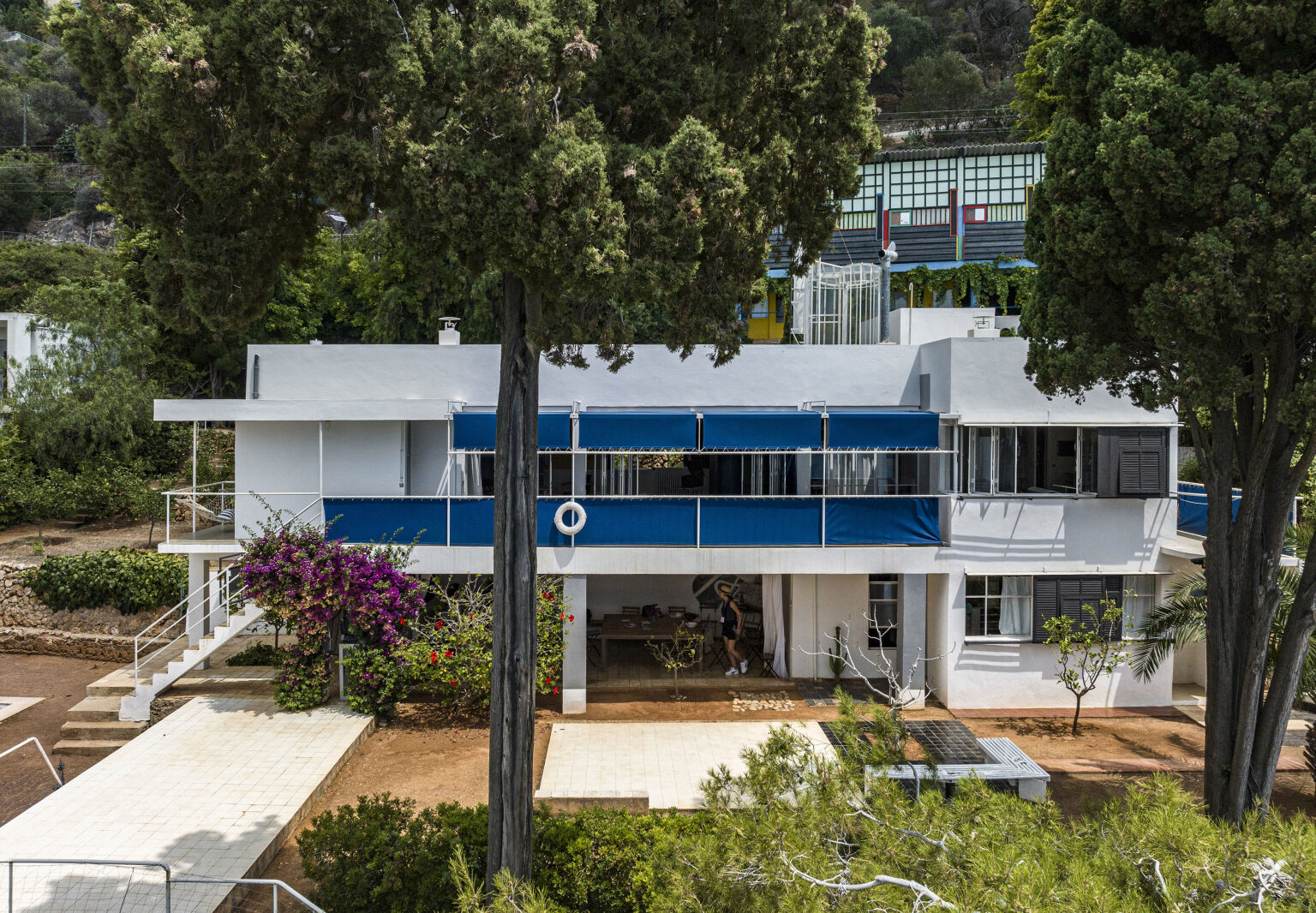
Last fall, I fulfilled a dream of mine: to see pioneering Irish designer and architect Eileen Gray’s E-1027 villa, a modernist jewel with a storied past, opened to the public in 2021 after a lengthy restoration.
I am an architecture tourist and have visited many lovely sites, but the feeling I had on this property was unlike any other. There is a light and airy quality to E-1027 that you have to visit to fully experience (they offer tours from April to November, and it’s a short drive from Nice). One of the most perfect examples of modernist architecture, with its hyper-functional design and nonexistent ornamentation, it is minimalist yet thoughtful and deeply attuned to its environment. The relationship of the house to the light, land, and sea is simply magic.
But the house was almost lost forever. The nearly 100-year-old property changed hands many times, including during Nazi occupation and a brief stint as an 1980s locale for illicit activity, before it eventually fell to squatters. By the time the French State purchased it for restoration in 1999, the house was derelict. Every piece of furniture, including the built-ins and even the plumbing, had been stolen. Thus began an arduous and complicated process of rebuilding and restoring every facet of the home using the same materials and methods of the period, down to the paint. It feels like a miracle that this house could ever exist in the first place, and another miracle that it exists again today in nearly the same condition as a century ago.
E-1027 was far ahead of its time with ingenious design solutions that still feel relevant today; here are some of the most intriguing ones to inform your own projects.
Photography by Manuel Bougot, except where noted.
1. Work with the climate.
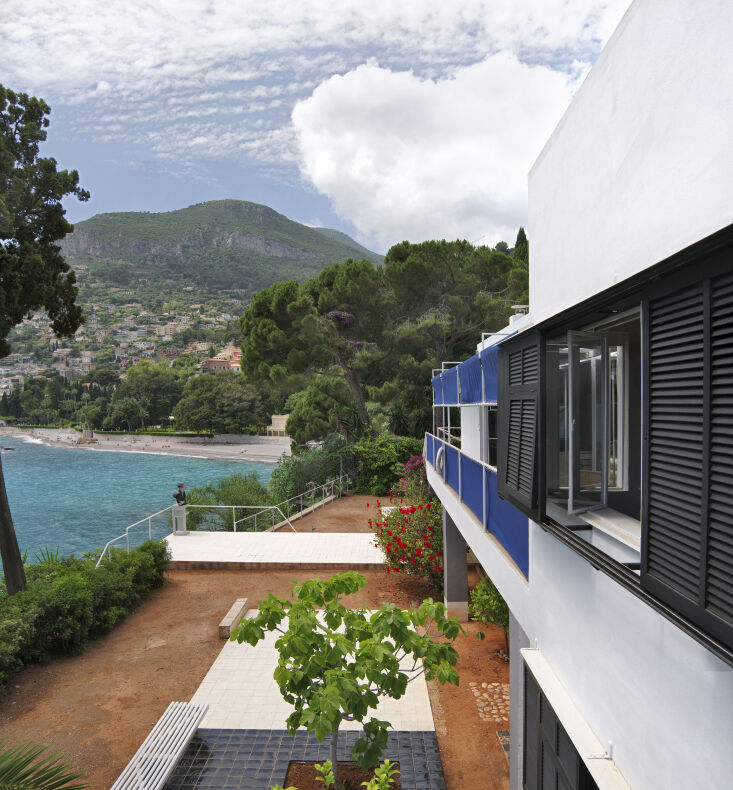
E-1027 was built as a passive house with no air conditioning. The stretched canvases on the terrace were designed to shield the interiors during the heat of the summer without compromising the view; they’re also removable, to allow sun to heat the house in the winter. The accordion doors and windows let air circulate during hot summer evenings.
Related Posts

Primary Bathroom Layout Ideas: 10 Trends Defining Modern Design
-
Posted by
Ms Luxury Brand

These are the most visited cities in France
-
Posted by

Your Ultimate Summer Guide to the South of France
-
Posted by

The Ultimate Guide to Shower Design Trends and Walk-In Shower Ideas
-
Posted by

The Hidden Curriculum of Tech Careers: Lessons Beyond Tutorials
-
Posted by

Kitchen Pantry Design Trends: 10 Smart Ideas for a More Functional, Beautiful Kitchen
-
Posted by

A Design-Led Creative Stay in Copenhagen
-
Posted by

How to Design a Home That Works in Every Season
-
Posted by

The 26 Best Luxury Hotels in Paris in 2026
-
Posted by
Protected: Indoor-Outdoor Flow: How to Design a Home That Works in Every Season
-
Posted by

Mudroom & Entryway Design Trends for Modern Homes
-
Posted by

Casa Valle NYC, BD Barcelona Reimagines Gaudí’s Iconic Batlló Chair
-
Posted by