
Blog
Artistic movement: a cultural trail through the South of France

The South of France has long been catnip for the creatively minded. Van Gogh, Cézanne and Matisse were all based here at some point during their careers, cementing this part of the world as an artistic haven. But it’s not about the late, great masters — a new generation of artists, collectors and gallerists continue to gravitate to the region, creating an art scene teeming not only with history, but also new ideas and originality. Mediaeval towns, fishing villages and olive groves become the backdrop for experimental and contemporary art, from sculptures to paintings to installations. Here, we present the Smith art trail through the South of France.
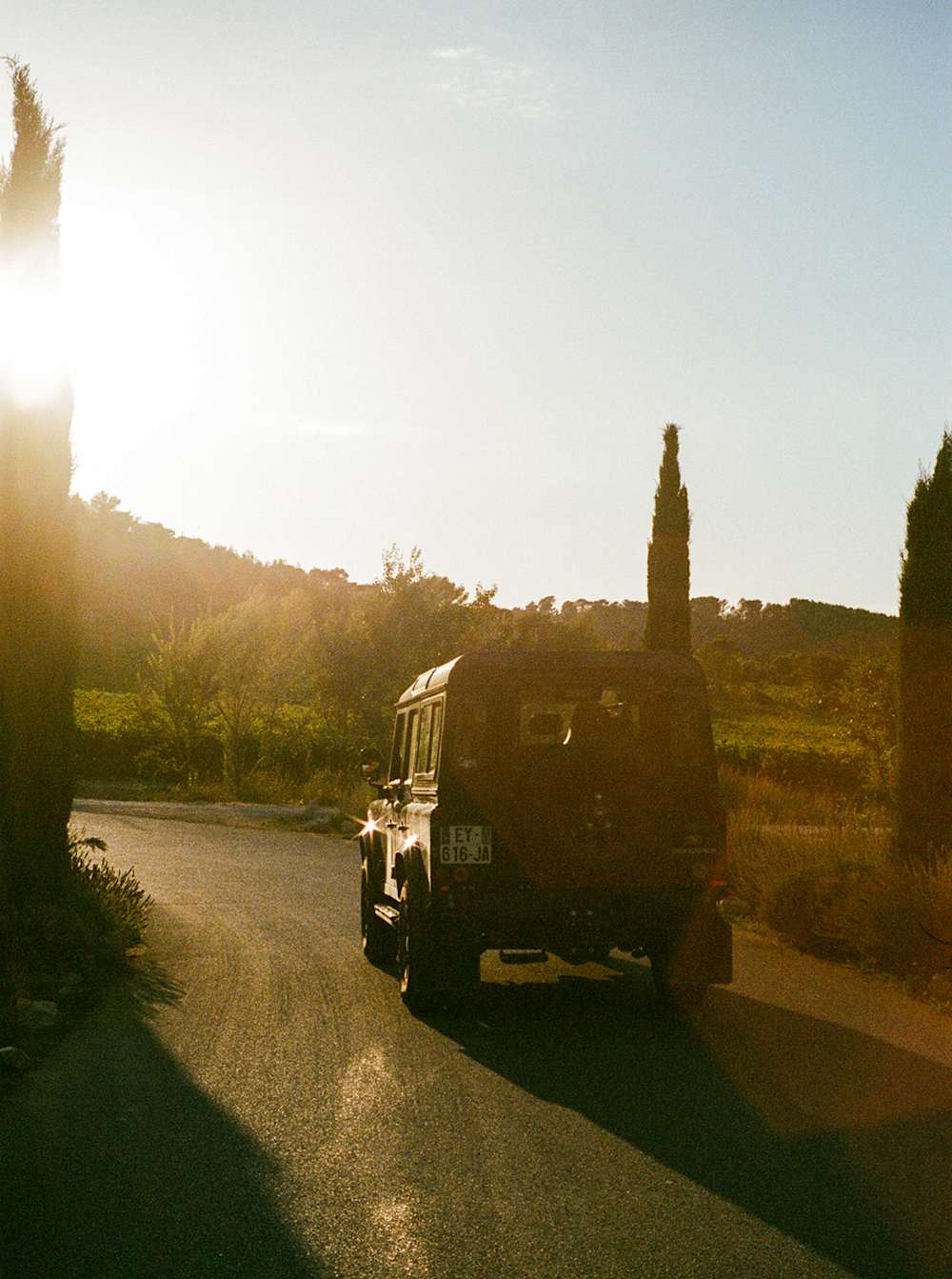
Villa La Coste
Bages
The dreamy fishing village of Bages, perched above the Bages-Sigean lagoon, would be a perfect place to while away an afternoon, even without its resident art gallery, but it certainly adds to its appeal. Latuvu, which celebrated its 10th anniversary last year, is an unexpected treasure trove of contemporary artists from France, Holland, Italy and Belgium. Masterminded by Belgian artists Sabine Friederichs and Herman Van Synghel, Latuvu is an alternative spelling for ‘L’as-tu vu?’, meaning ‘did you see it?’ You’ll be glad you did. Afterwards, take a gentle five-minute stroll to Maison des Arts, another bijou gallery in a former presbyterian house, before lunch on the terrace at Les Jardins de Bages.
Where to stay
Château Capitoul, a 19th-century castle and sweeping estate only a 20-minute drive east from Bages on the south coast of the Languedoc region, in view of the Pyrenees and the Med. Either book a room in the spire-topped château itself or seek privacy in one of its secluded villas amid the vineyard.
Arles
The Provençal city of Arles inspired some of Van Gogh’s most famous masterpieces, from Café Terrace at Night to Sunflowers, so it’s only fitting that there should be an art gallery dedicated to his work and influence here. Over a decade since its opening, the Fondation Vincent van Gogh continues to draw countless visitors keen to see his work in the city where they were first created. After seeing exhibitions that honour the late, great painter’s work and life, grab a coffee and walk alongside the Rhône River, which inspired the artist’s Starry Night Over the Rhône, and then head along to 2 Place Lamartine, home to Van Gogh’s former lodgings, immortalised in The Yellow House. Incidentally, it’s also where he infamously cut his ear off after a dispute with Paul Gauguin. The property was damaged in the Second World War, but it’s still recognisable.
Where to stay
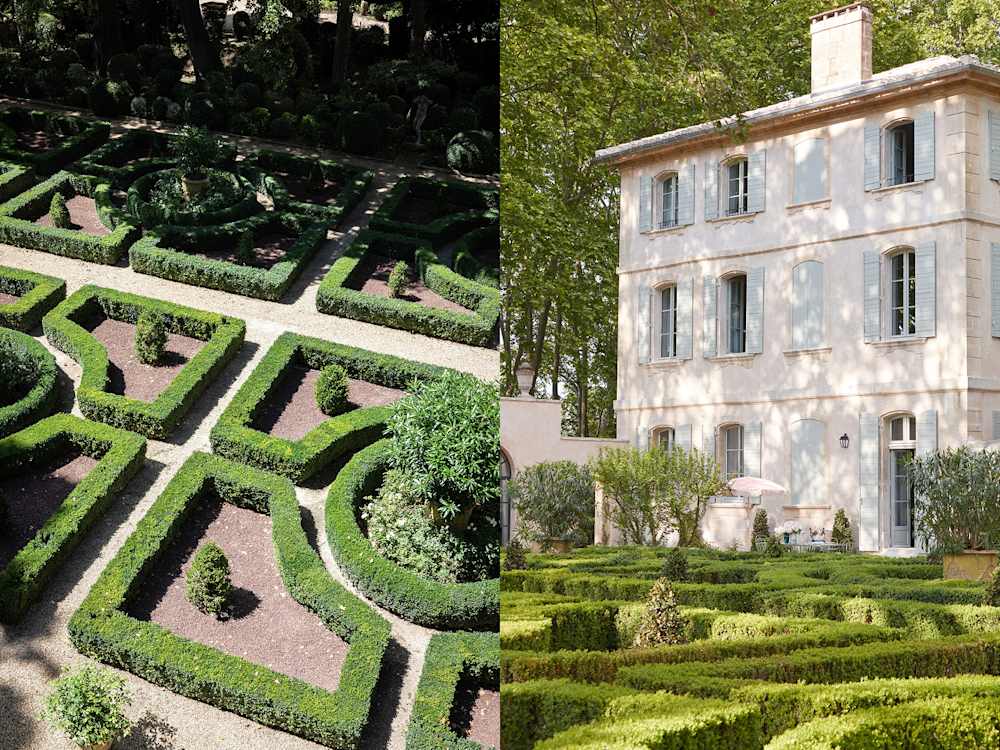
It’s the 15 acres of beautifully landscaped gardens that make Domaine de Chalamon so special. The bedrooms have a calm elegance, but you’ll be drawn outdoors to the lush greenery, heated swimming pool surrounded by pink parasols, idyllic arbor (the perfect book-reading spot), or the vast olive groves. It’s a little outside of Arles, but set in the Alpilles Natural Regional Park, so it’s worth the 30-minute drive for yet more verdure.
Arles
Domaine de Chalamon
A private mansion turned exhibition space, Lee Ufan Arles is a relatively new art destination, having opened in 2024. The Korean artist and philosopher, who is known for his powerfully understated sculptures and paintings, created the gallery with the help of his friend, the Japanese architect Tadao Ando. Home to Ufan’s work, including drawings, installations, his signature sculptures, as well as temporary displays from his favourite artists, this is an elegant, meditative cultural venue for getting intimately acquainted with one of Korea’s most experimental, revered creatives. Make a beeline for the library and shop before leaving.
Where to stay
After all that intellectualism, return to Domaine de Chalamon to unwind in the expansive grounds, and wander through the trim topiary, cypress, pine and plane trees before an apéritif under one of the pink-striped parasols.
Arles
Arles’ primary art connection might be Van Gogh, but Luma — a sprawling, 27-acre ‘creative complex’ — has further cemented its artistic rep. Conceived by Maja Hoffmann (an heir to the Hoffmann-La Roche pharmaceutical fortune), in collaboration with architect Frank Gehry, the space offers exhibition halls, a residence and rehearsal studio for artists and performers, a design and research laboratory, a restaurant, cafés and bars, a hotel, and a landscaped park filled with sculptures and installations. Gehry’s shining 56-metre tower is truly a sight to behold, made using steel, concrete and glass. You could spend a day here and still have more to see. Make sure to check its online programme for the latest exhibitions and events.
Where to stay
Le Saint-Rémy, an 19th-century mansion supposedly built by a colonel who fell in love with a local woman and stayed forever. Situated in the historic market town of the same name, a 30-minute drive north from Arles, you’ll fall equally hard for the hotel (and be tempted to stay indefinitely), with its 12-metre, south-facing pool and rooftop terrace with magical sunset views.
Marseille
Les Bords de Mer
Marseille has become a favourite of anyone who likes sun-drenched city breaks with a slice of grit. The creative scene is heaving, but if you only choose one destination on this art odyssey, make it Friche la Belle de Mai — better known as La Friche. Based in a former tobacco factory, it’s a vast, cultural community complex that spans six major exhibition spaces, a bookshop, café and a rooftop bar. There’s always a solid line-up of events, from gigs and film nights to creative workshops. It’s also family-friendly, with events and activities tailored to children. There’s a lot to see, so allow plenty of time.
Where to stay
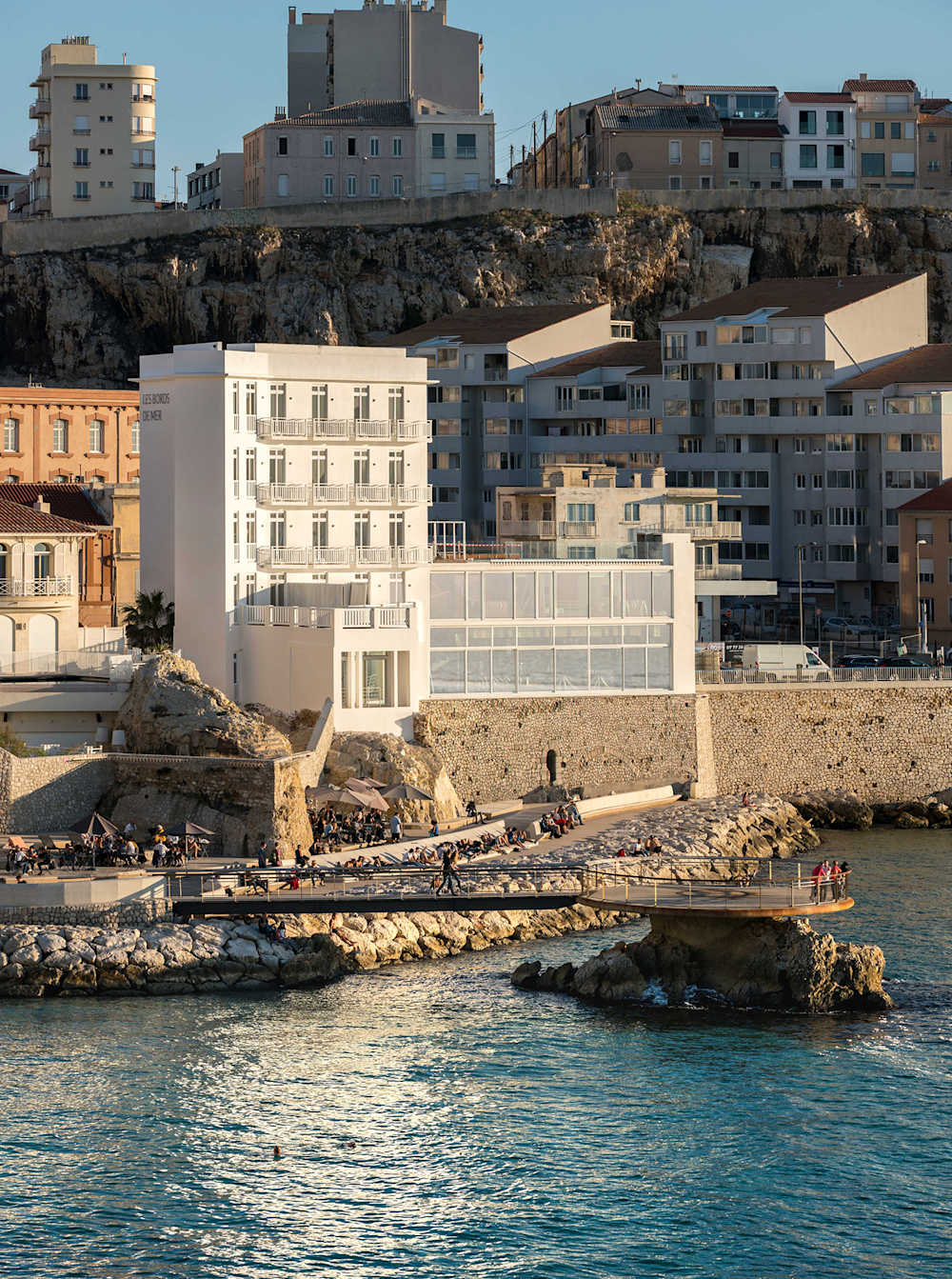
At Marseille’s art deco stay Les Bords de Mer, a 20-minute taxi ride from La Friche, every bedroom has a sea view. There’s a rooftop pool and bar, too, ideal for unwinding after a day of exploring.
Aix-en-Provence
L’Atelier des Lauves was Paul Cézanne’s last studio, which is now open to the public. The ‘father of modern art’ worked in this bright space on top of a hill in Provence from 1902 until his death in 1906. It was built to his specific brief, nestled inside an olive grove, overlooking his long-standing muse Sainte-Victoire mountain, which starred in many of his paintings. The first floor features a full-height, north-facing window, enabling Cézanne to make best use of the views. The ceilings were kept high so he could utilise large-scale canvasses, and a slot in the wall enabled their transportation to galleries or private houses. Tickets sell out well in advance, so be sure to book ahead.
Where to stay
If French luxury and opulence sounds right up your street, then the beautiful La Villa Gallici will prove paradise. Just a 15-minute walk from Cézanne’s studio, the 18th-century property promises old-world elegance with modern trimmings.
Aix-en-Provence
Château La Coste
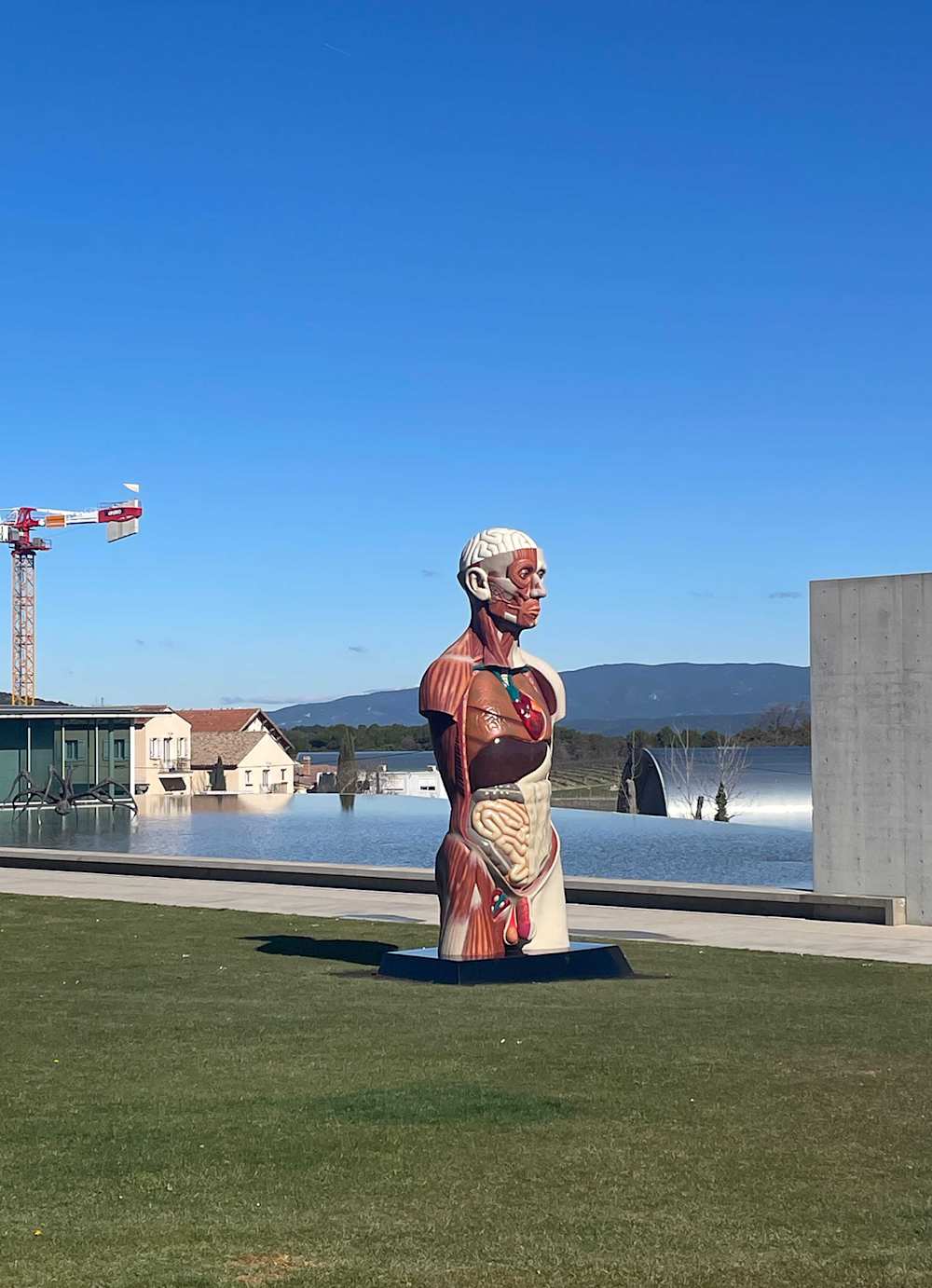
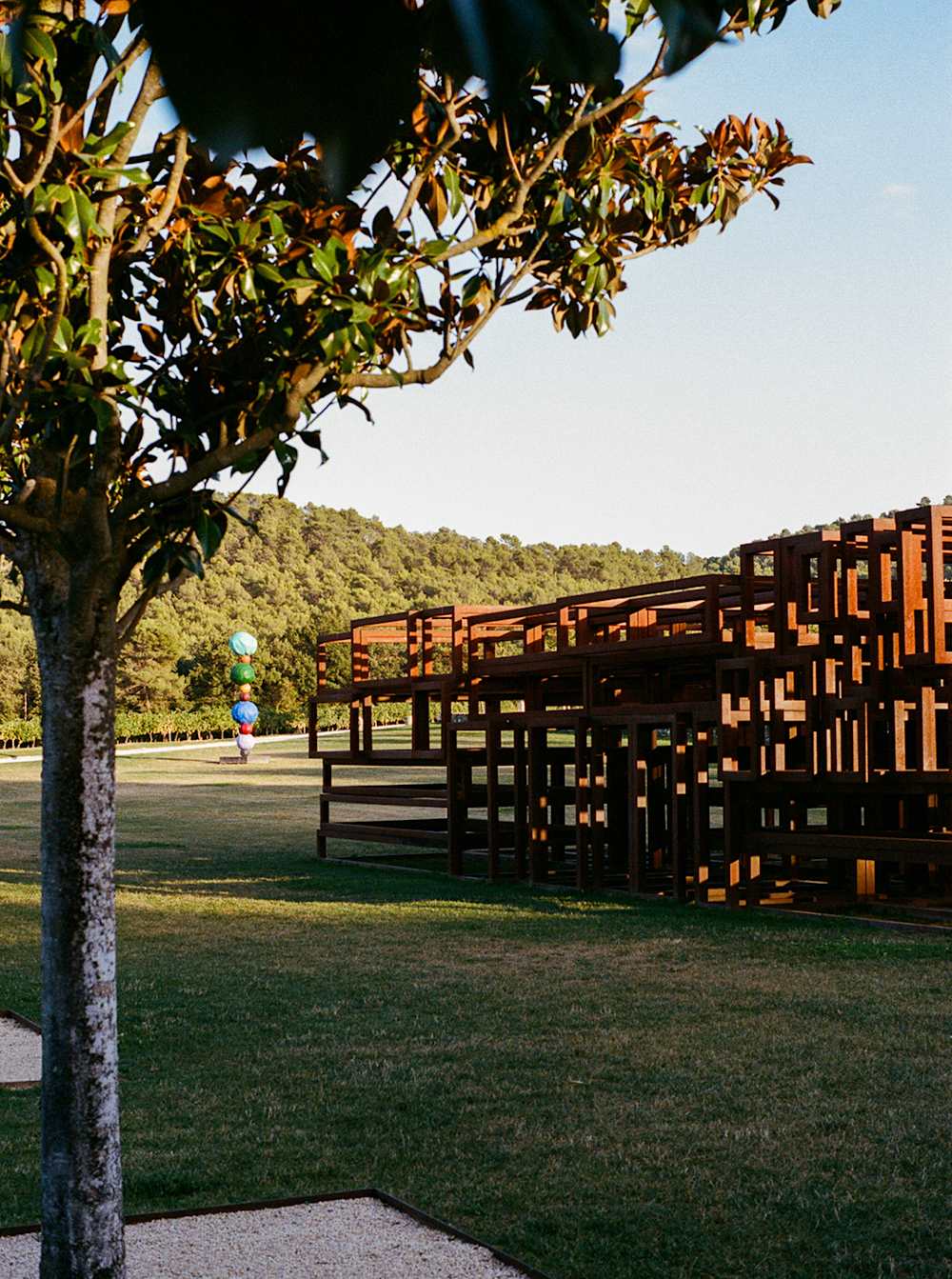
If you want your culture fix while soaking up the sunny climes of the region, Château La Coste’s public art trail is unbeatable. Come for Damien Hirst’s huge anatomical sculpture of a man, Louise Bourgeois’ crouching spider or a neon script from Tracey Emin; this is where art collides with breathtaking scenery. Guests are given maps so they can partake in self-guided tours through oak woodland and olive groves. There are also multiple restaurants at differing price points, and a winery offering tastings.
Where to stay
Helpfully, there’s a hotel on-site: the acclaimed, modernist masterpiece Villa La Coste. You don’t have to stay there to utilise the trail, but for full cultural immersion combined with first-class wine options, it’s hard to resist.
Saint-Paul-de-Vence
For more art in a sun-drenched location, Fondation Maeght is unmissable. Perched on a hilltop overlooking the idyllic medieaval town of Saint-Paul-de-Vence, it’s France’s first private foundation for modern and contemporary art and home to some of history’s greatest contemporary sculptors, including Braque, Giacometti and Miró. Explore the gardens to find works by dozens of 21st-century greats, such as Barbara Hepworth and Marc Chagall, set amid mosaics and fountains. Plus, there’s more to see from the two rooftop terraces, which offer excellent views of the photogenic countryside.
Villa La Coste
Where to stay
Just a 10-minute drive from the foundation is Toile Blanche, a 200-year-old farmhouse, lovingly restored to become a serene rustic retreat with creativity at its heart. It has a strong art connection, being founded by Belgian collective the Leroy Brothers, whose work is displayed throughout. There’s also contemporary gallery space to explore and two pools to relax in afterwards.
Nice
The original La Station was a petrol station, and although the gallery has since moved to a larger site in the north-east part of Nice, its mission (and name) remains the same — to support emerging local artists and give them a platform to showcase their work. The idea behind the project is to give new talents a chance to evolve and grow, and established figures a chance to experiment. To enact this, La Station hosts five exhibitions every year, plus a programme of festivals and gigs.
Cap Estel
Where to stay
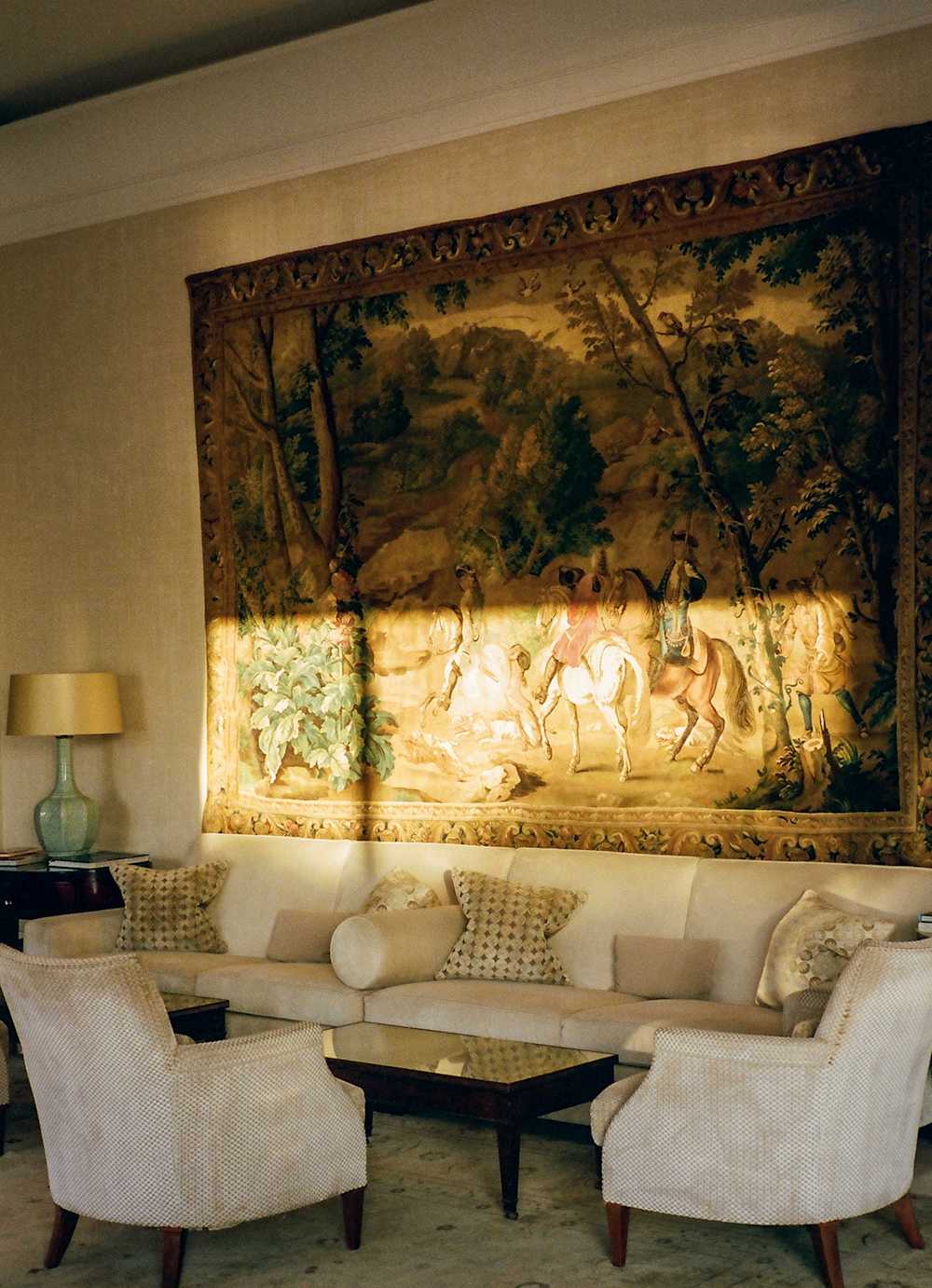
For pure Riviera glamour, Cap Estel is the place to be. It’s situated on the cliff edge of a winding peninsula, so you’ll wake up to views of the Côte d’Azure in all its glory. Here, your lounging options include an intimate private beach, or one of two pools — the first indoor and part of the hotel’s glamorous spa, the second a sweeping infinity pool at the edge of the landscaped gardens.
See more aesthetically pleasing South of France stays or discover hotels with art collections that’ll make you look
Related Posts

Spring Spa Trail Escape returns to Gilpin Lake House, Lake District
-
Posted by
Ms Luxury Brand

“Hockney/Paricio: Cycles of Renewal” Debuts at Halcyon’s Flagship Gallery
-
Posted by

These are the most visited cities in France
-
Posted by

Your Ultimate Summer Guide to the South of France
-
Posted by

Swapna Namboodiri, Turning Ocean Plastic into Art in Adelaide
-
Posted by

Where Art Still Has a Pulse: University of Fashion Celebrates Hand Drawn Fashion
-
Posted by

11 Design Lessons from Eileen Gray’s E-1027 in Roquebrune-Cap-Martin, France
-
Posted by

Heli-adventures in New Zealand’s South Island
-
Posted by

The art of leisure: our favourite hotels for a cultured break
-
Posted by

Chappell Roan’s Faux Bob Is Peak Weird Art School Girl — See Photos
-
Posted by

The 26 Best Luxury Hotels in Paris in 2026
-
Posted by

Semaphore Beach near Adelaide, South Australia
-
Posted by